Does the Technical Certificate Cover the Proposed Material?
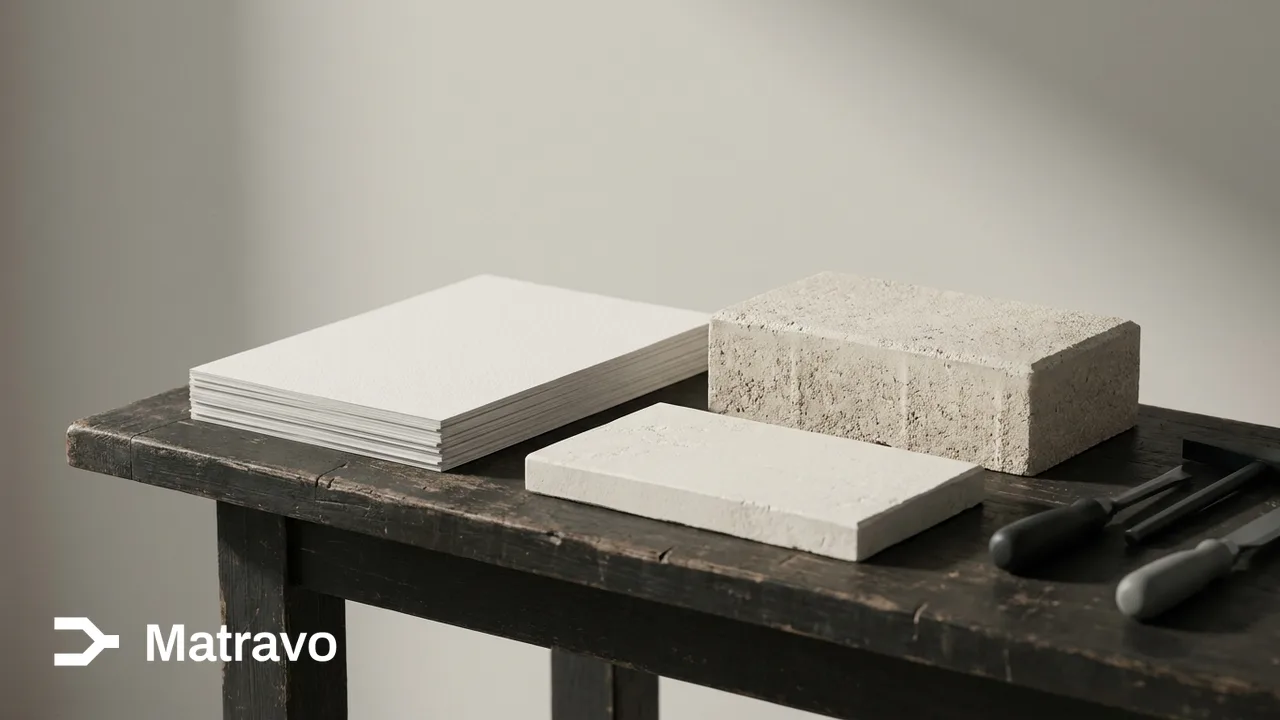
A supplier sends a technical certificate alongside a material proposal. The document looks formal, the product description seems familiar, and several performance values appear relevant. Yet the essential question remains: does this evidence actually cover the material, configuration, and intended use your project is considering?
For buyers, the task is not to become a certification specialist. It is to establish a clear connection between the proposed material and its supporting evidence, then refer technical questions to the appropriate project professional. A genuine document can still be irrelevant to a particular product or insufficient for a particular application.
1. Establish what the document actually demonstrates
Start by reading the document title, issuer, stated purpose, and scope. A test report, a product certificate, a manufacturer's declaration, and a company management-system certificate answer different questions. Do not treat them as interchangeable simply because each contains a signature, reference number, or official-looking mark.
A report may describe the performance of a tested specimen under specified conditions. A declaration may state particular characteristics for an identified product. A certificate concerning a company's processes does not, by itself, demonstrate that the proposed paving or construction material satisfies your project's requirements.
Ask which exact requirement the supplier intends the document to support. If the answer is only “this is our standard certificate,” the connection is still missing. Request a reference to the relevant passage and the proposed product identification. This makes the next technical discussion more precise without asking procurement staff to interpret specialist test methods themselves.
2. Trace the evidence to the proposed product or system
Compare the product identification in the proposal with the identification in the document. Look beyond the marketing name. Depending on the material, relevant details may include the product code, manufacturer, production location, material composition, finish, thickness, or other dimensions. Ask the supplier to explain any mismatch rather than assuming that similar names mean identical products.
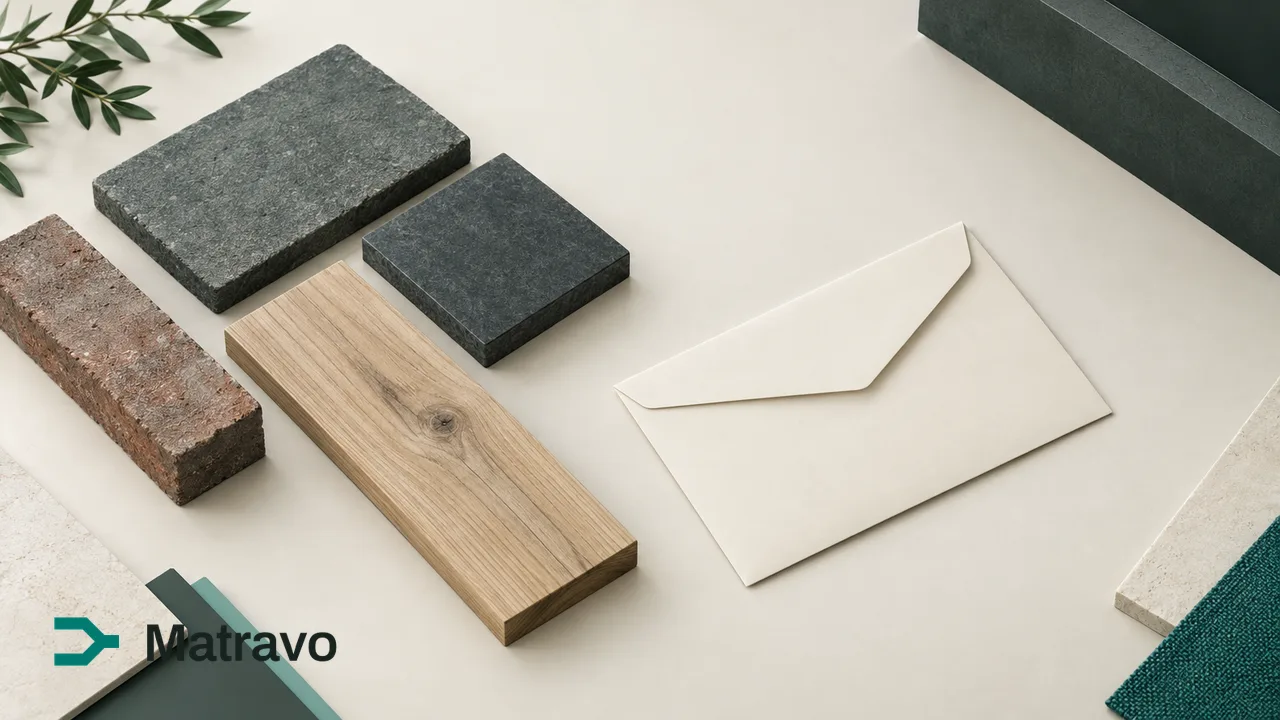
For natural stone, a familiar color description alone may not establish that evidence concerns the proposed material. For a layered construction product, the tested build-up may matter as much as the visible surface. A result for one arrangement should not automatically be carried over to another.
- Which proposed product does the document identify?
- Does the evidence concern a single component or a complete system?
- Are there scope limits covering dimensions, finishes, or configurations?
- What supports any claimed extension to a different variant?
Where a supplier proposes an alternative, reopen this connection. Evidence supporting the original product does not automatically support its replacement, even when both are offered for the same application.
3. Read validity together with limitations
Check the issue date, document reference, revision, and any stated expiry or validity conditions. Dates are useful signals, but they do not tell the whole story. An older report is not automatically irrelevant, and a recently issued document is not automatically sufficient. The important question is whether the evidence remains applicable to what is now being proposed.
Look for referenced annexes, schedules, exclusions, and pages containing qualifications. A cover page or cropped extract can omit the details that define the scope. Ask for the complete relevant document when those details are needed to understand the claim.
If the manufacturer, formulation, source, or system configuration has changed, ask whether the existing evidence still applies and on what basis. Unclear references or conflicting versions should be resolved with the supplier and, where appropriate, the issuer. Until then, record the uncertainty rather than describing the evidence as accepted or rejected on appearance alone.
4. Refer declared performance to project requirements
A performance value is meaningful only in context. The test method, units, specimen conditions, and intended application may affect how a result should be understood. A buyer should not decide that a large number is necessarily better, or that similar values from different methods establish equivalent performance.
Identify the requirement that needs review and pass the relevant evidence to the designer, engineer, specifier, or other qualified professional responsible for that decision. For example, a paving application may raise questions about finish, exposure, or loading that a generic material description cannot settle. The appropriate reviewer determines which characteristics matter and whether the evidence addresses them.
Keep three questions separate: what performance is declared, what the project requires, and whether the evidence supports suitability for that use. Matravo is a construction and landscape material RFQ-to-offer marketplace. Its guides help buyers prepare; they do not certify products or replace project specifications, qualified design review, or locally applicable requirements.
5. Keep a clear record before moving sourcing forward
Maintain a short record linking the proposed product, document reference, relevant scope, and outstanding questions. Distinguish “document received” from “technical review completed.” This prevents an administrative milestone from being mistaken for a decision on material suitability.
When clarification arrives, retain the explanation alongside the evidence it concerns. If the proposal changes, check whether the recorded review still covers it. A different thickness, finish, or system component may require the project team to revisit its conclusions.
The practical goal is not to collect the largest possible bundle of certificates. It is to obtain relevant evidence, understand its limits, and leave technical acceptance with the responsible project professionals. To begin sourcing, visit the Matravo website and choose Create account, or Sign in if you already have an account.