Who Should Approve Material System Compatibility?
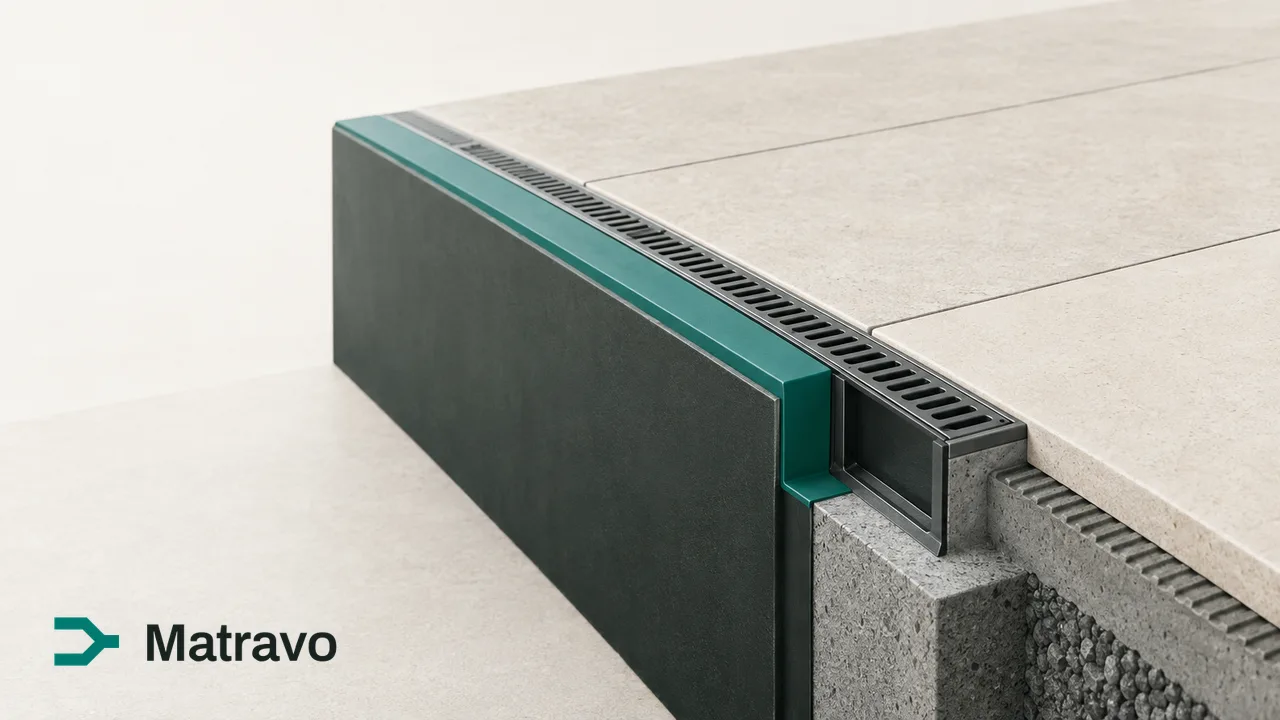
A proposed material can match the requested dimensions and still leave an important question unanswered: will it work with the rest of the project? A paving unit meets its base and drainage detail. A coating meets its substrate. An irrigation component meets the pipes, connections, and operating conditions already specified. Buying each item separately does not make those interfaces independent.
For buyers, the practical task is to distinguish product information from project-specific approval. Suppliers explain what they are offering and provide supporting evidence. The qualified project team determines whether that proposal satisfies the design and applicable requirements. Before commitment, establish who owns that decision and what they need to review.
1. Assign the decision to the right project role
Compatibility should be reviewed by the qualified person or team responsible for the affected design, following the project's approval arrangements. Depending on the scope, that may involve an architect, structural engineer, building-services designer, landscape specialist, or several disciplines together. Job titles alone are not enough; confirm who has authority for the particular decision.
Procurement can coordinate the review without becoming the technical approver. The buyer assembles the proposed product details, identifies departures from the request, and sends the question to the responsible reviewer. If no reviewer has been identified, treat that as an unresolved responsibility rather than assuming the supplier or purchasing team can approve the design.
- Identify the system and the interface affected by the proposal.
- Name the person responsible for technical review.
- Confirm who can authorize the substitution or specification change.
- Record any other disciplines whose requirements must be checked.
An installer may contribute valuable information about access, preparation, and sequencing. That practical input should inform the review, not silently replace the approval responsibility established for the project.
2. Know when product information is not enough
A supplier's technical data can describe dimensions, composition, connection types, or declared performance. It does not automatically establish suitability for a particular assembly. Even a product presented as an alternative to the specified item needs to be checked against the relevant project conditions.
Ask for review when a proposal changes a specified material, connection, thickness, finish, or performance requirement. Also flag interfaces between products from different sources and any unknown condition that affects selection. A familiar product name is not evidence that every version or application is interchangeable.
For example, a proposed paving thickness may need consideration alongside the supporting build-up and intended use. A waterproofing proposal may raise questions about the substrate and adjoining details. An irrigation fitting may match a nominal size while leaving its connection arrangement or operating requirements unclear. These are questions for the responsible project specialists, not conclusions a buyer should infer from a category listing.
Ask the reviewer a focused question: does this exact proposal meet the identified requirement under the stated project conditions? A general request to “approve the product” can hide the interface that actually needs attention.
3. Prepare an RFQ that makes review possible
A useful request for quotation gives suppliers a clear basis for their response. List each required item separately and describe its intended use, quantity, unit, dimensions, and required performance. Reference the applicable specification or drawing revision so that everyone is discussing the same requirement.
State which requirements are essential and whether alternatives may be proposed. If a value is undecided, label it as a point to clarify. Do not fill the gap with an assumption that could later look like an approved design instruction.
- Separate building-services systems and state their connection requirements.
- For landscaping, distinguish plants, growing media, irrigation components, and site equipment.
- Name the technical document, test, or declared performance needed for review.
- Include the destination, requested delivery window, and packaging or access constraints.
Keep quantities on a stated basis. If an offer uses a different unit, ask the supplier to explain the conversion and its assumptions. Pack contents, thickness, wastage, and spare quantities should be explicit where relevant. Clear quantities support commercial comparison, but they do not resolve technical compatibility.
4. Review the exact proposal and record the outcome
Send the reviewer an identifiable proposal, not a loose collection of brochures. Include the product reference, relevant documents, the requirement it is intended to meet, and any differences from the original request. Make unresolved points easy to find.
A review record should make clear what was considered and under which conditions. If acceptance depends on a particular substrate, accessory, preparation method, or further document, retain that condition alongside the decision. Do not treat a conditional response as unrestricted approval.
If the supplier later changes the product or a relevant detail, ask the responsible reviewer whether another review is needed. An earlier decision should not be assumed to cover a different proposal.
Buyers and suppliers may independently agree to physical samples when useful. A sample can help discuss appearance or workmanship, but it does not by itself establish whole-system compatibility. Matravo does not provide an integrated sample-ordering, tracking, or fulfillment workflow.
5. Use sourcing conversations to close information gaps
Matravo is a construction and landscape material RFQ-to-offer marketplace. It helps structure requests and supplier offers; it is not the technical approver for your project. Category guides and platform answers help prepare the sourcing conversation, but do not certify products or replace design review.
Web chat is available on the request before an offer: entitled sellers start threads, and buyers reply to existing threads. Use those exchanges to clarify the proposed product and supporting information. Opening phone or contact details after a deal is a separate rule, not the gate for web chat.
Before commitment, confirm the product, commercial terms, and responsibilities with the supplier, and resolve outstanding technical questions with your qualified project team. To begin sourcing, visit the Matravo website and choose Create account, or Sign in if you already have an account.