Can the Proposed Packaging Work with Your Landscape Site Access?
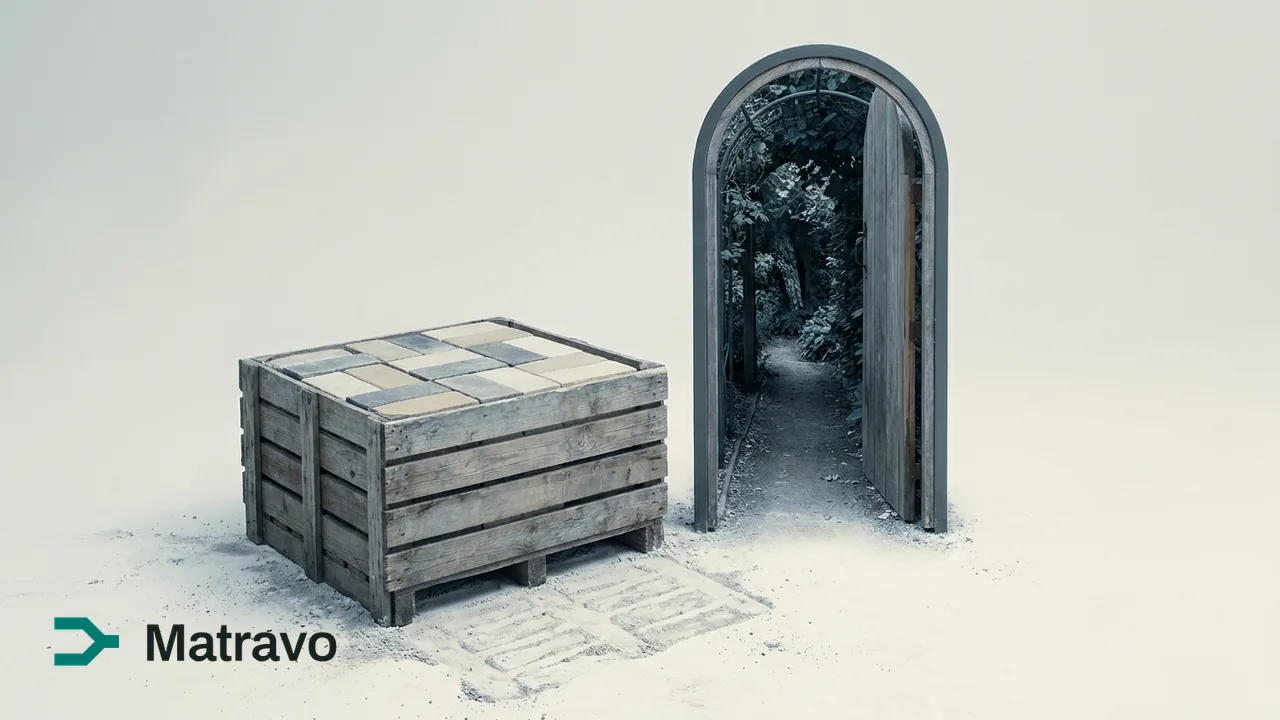
A landscape material offer can match your specification and still leave an important question unanswered: can the proposed packaging work at the destination? A crate that suits road transport may be difficult to move through a garden entrance. A pallet may reach the property but not the place where the materials are needed.
Before accepting the offer, ask the supplier to confirm packaging and transport responsibilities against the actual site conditions. The decision is not simply whether the material fits. It is whether the packaged delivery can be received, unloaded, and handled under arrangements that both parties understand.
1. Describe the access that the packaging must work with
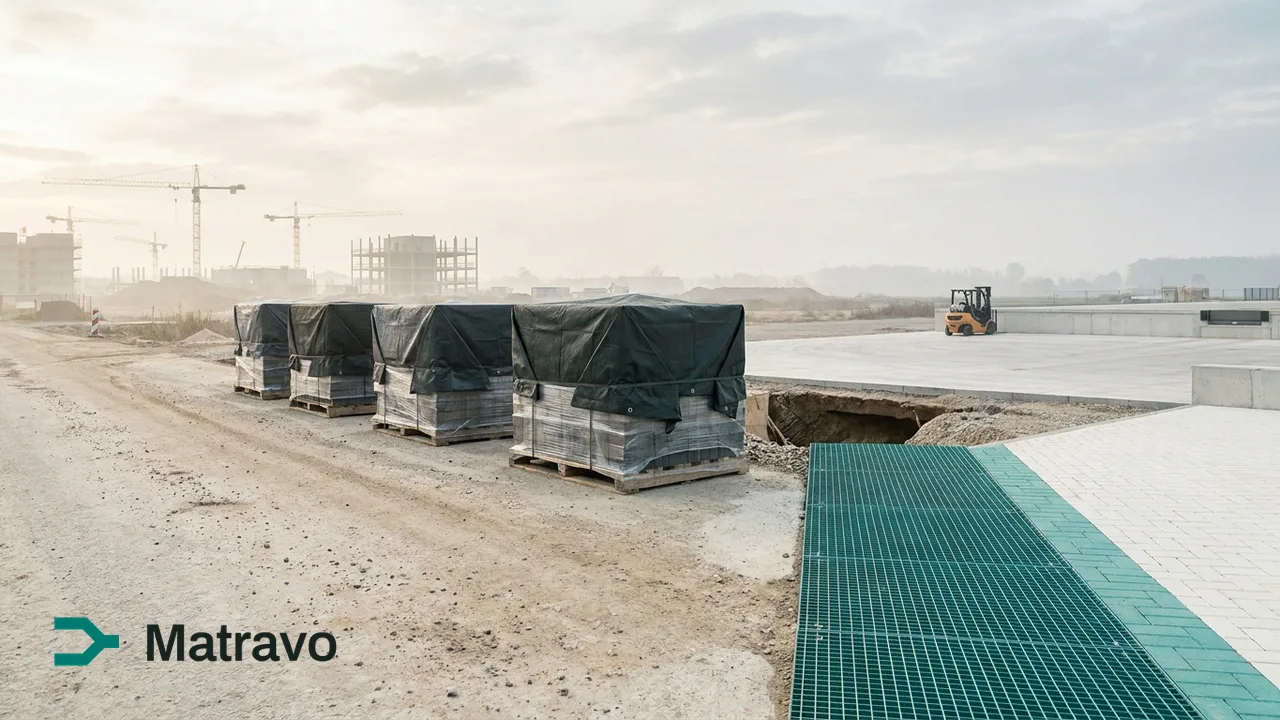
Start with the route from the delivery stopping point to the agreed receiving area. A street address identifies the destination, but it does not explain a narrow gate, restricted driveway, awkward turn, or steps beyond the entrance. Describe the constraints that could affect the proposed package or delivery method.
Use measured information where available. Distinguish confirmed dimensions from estimates, and identify any condition that still needs checking. If you do not know the permitted loading of a surface or whether equipment can operate there, leave that question with the qualified project team rather than assuming it will be acceptable.
- State the relevant entrance width, height restrictions, and turning limitations.
- Describe steps, gradients, uneven surfaces, and restrictions on vehicle access.
- Identify the receiving area and any limits on temporary storage.
- Note site access hours and whether unloading equipment will be available.
Keep the description specific to the proposed delivery. The supplier needs the conditions that affect their packaging proposal, not a complete account of the landscape project.
2. Ask about the package, not only the material
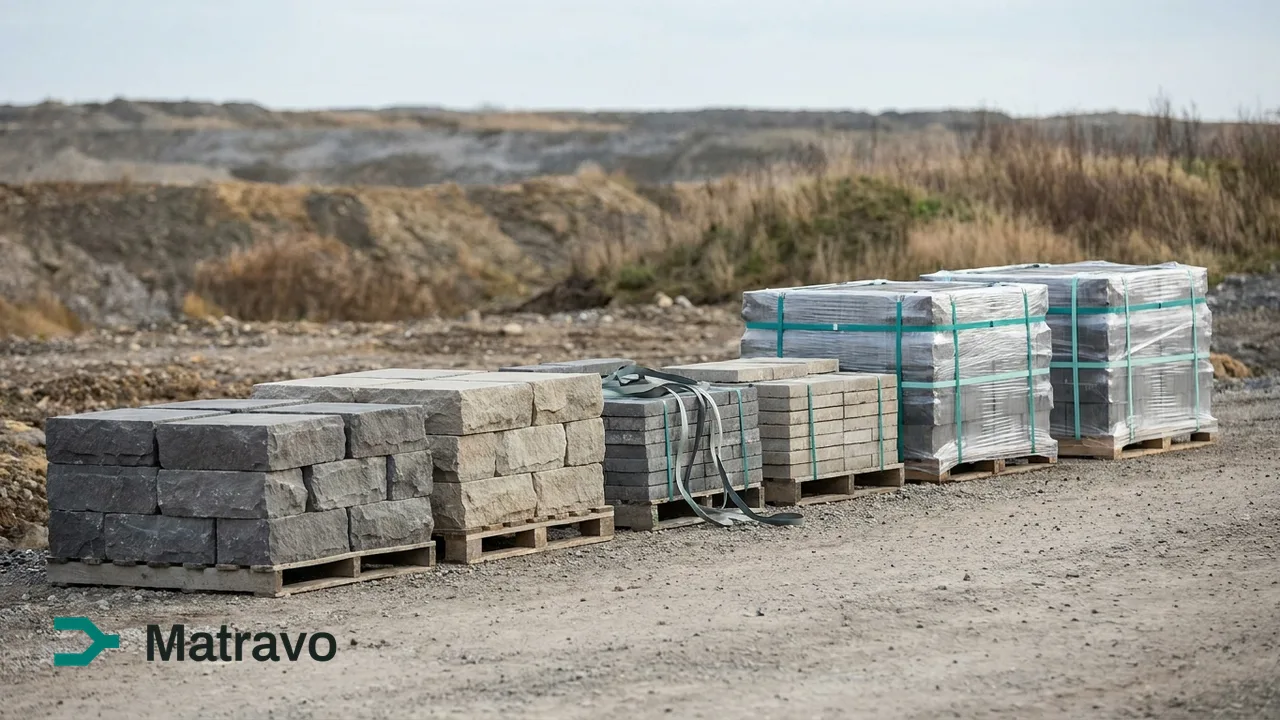
Product dimensions do not establish the dimensions of the delivery unit. Pallets, crates, wrapping, and protective supports can change the space required. Likewise, the weight of an individual item does not tell you the weight of the package that must be unloaded or moved.
Ask the supplier to identify the proposed packaging type, external dimensions, gross weight per package, and package count. Where these details are not yet final, request clarification before treating the offer as compatible with your access constraints. Avoid substituting your own calculations for a supplier-confirmed packaging proposal.
It also matters how the contents can be accessed. Ask whether the proposal assumes that a package remains intact until it reaches its receiving position. If opening or repacking would be necessary earlier, clarify whether the supplier accepts that arrangement and what it means for protection, handling, and responsibility.
A useful question is: “Given the entrance and receiving-area details in our request, please confirm the proposed packaged dimensions and weight, and identify any access condition that prevents this packaging from being used as proposed.”
3. Separate transport, unloading, and movement within the site
“Delivery included” is not enough to establish who does what. Transport to the address, unloading from the vehicle, and moving packages to a work area are different tasks. Ask where the supplier’s proposed responsibility ends and what the buyer must arrange.
Confirm the expected vehicle and unloading arrangements with the responsible parties. If a proposal depends on buyer-provided equipment, make that dependency explicit. The project team should establish whether the equipment and receiving area are suitable; a packaging description alone cannot answer that question.
- Who arranges transport to the named destination?
- Who provides unloading equipment and performs unloading?
- Where will the packages be placed at handover?
- Who handles any onward movement or agreed repacking?
- Which related tasks or charges are excluded from the quoted price?
If the offer uses an Incoterms rule, ask the transaction parties to confirm the named place and applicable edition. Resolve any uncertainty between that wording and the practical receiving arrangements before committing.
4. Resolve mismatches before accepting the offer
Compare the packaging proposal with your confirmed access conditions. If a package cannot pass through the entrance, do not assume the delivery crew will split it on arrival. Ask the supplier whether a revised package or a different handover arrangement can be proposed.
Any alternative needs its own confirmation. Smaller packages may change package count, handling requirements, or the quoted commercial terms. A different receiving point may leave additional movement for the buyer to arrange. Ask for the consequences to be stated rather than treating the alternative as equivalent.
Keep the final agreement in writing: destination, packaging, requested delivery window, supplier lead time, transport responsibilities, and payment terms. If the proposal changes, ensure the written offer reflects the accepted arrangement. An unresolved access assumption is a reason to clarify, not a detail to leave until dispatch.
5. Put the access question into your material request
On Matravo, buyers request construction and landscape materials and consider supplier offers. Include your material quantities, units, dimensions, and essential requirements, then add the destination and relevant packaging constraints. Mark undecided details as points to clarify.
Entitled sellers can start web-chat threads on a request before an offer, and buyers can reply to those existing threads. Use the exchange to resolve packaging questions with the supplier. Matravo is not the supplier or carrier and does not arrange transport.
Ready to start? Visit the Matravo website and choose Create account, or Sign in if you already have an account, to begin your material request.