
Ready-mix concrete, specified for your pour
Use one procurement group for ready-mix concrete that separates each pour area, required consistency, and expected delivery sequence. Clear line items help batching plants and site teams align without mixing up structural and non-structural uses.
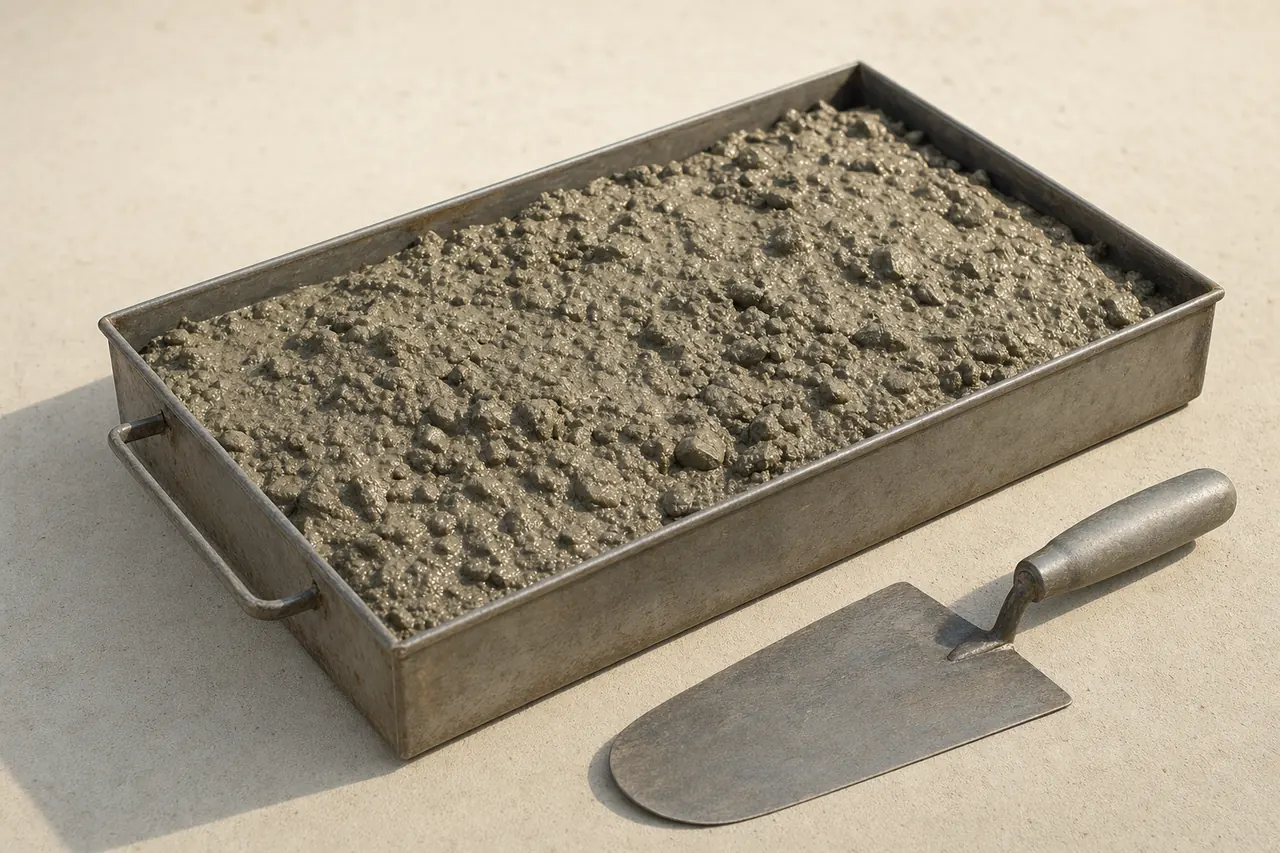
Start with the right material groups.
Structural pours
Group concrete for foundations, columns, slabs, and walls by pour area. State the project-defined strength and exposure requirement for each location.
Non-structural and infill concrete
Separate blinding, leveling courses, screeds, and utility surrounds from structural pours. Their performance requirements and delivery timing usually differ.
Special fresh-state requirements
Identify any requested slump class, pumpability need, temperature limits, or setting window in the supplier line item instead of leaving it to site practice.
A material price is only part of the package.
One schedule, clearly separated scopes. This is a request outline, not an installation drawing.
Included materials
Cover ready-mix concrete supplied to site by pour area, strength class designation, and aggregate size stated in the project requirement.
Connections & interfaces
Always state the pour area, access point and discharge method. List preparation materials or services separately when requesting them in the supplier offer.
Confirm separately
Confirm whether batching, delivery, waiting time, pumping, placing, finishing, curing, and testing are within the requested supply scope.
Six details that make offers clearer.
- Product designation and required class
- State the exact concrete designation, strength class, aggregate size, and consistency requested by the project specification.
- Exposure and durability need
- Identify the project-defined exposure condition so the supplier can confirm the proposed mix against that requirement.
- Pour sequence and access
- List pour areas, expected volume, pump or chute access, and any restricted delivery windows to coordinate arrival.
- Fresh concrete behavior
- State required slump class, workability constraints, or setting time only as directed by the approved project specification.
- Constituent evidence
- Ask the supplier to identify cement type, aggregate source, admixture use, and the evidence supplied with each delivery.
- Site testing and sampling
- Define who arranges sampling, slump checks, cube or cylinder making, and whether test results are linked to each truckload.
| Item & description | Quantity |
|---|---|
| RM-01Ready-mix concrete for foundation strips, strength class and aggregate size per project schedule; pumping requested. | 35 m³ |
| RM-02Ready-mix concrete for ground-floor slab pours in two zones, same specified class, chute discharge and phased arrival. | 48 m³ |
Example quantities only; no live prices or supplier offers. Use your project schedule for final values and ask suppliers to list deviations.
Three checks before you decide.
Same pour basis
Compare supplier quotes against the same pour list, strength class, aggregate size, and planned arrival sequence.
Supply versus placement
Check whether waiting time, pumping, placing, finishing, and curing appear separately before comparing only the material total.
Delivery continuity
Align batch intervals, truck capacity, and site discharge rate with the expected pour size and access window.
Details worth clarifying early.
How should I separate different concrete classes in one request?
Use one line item per pour area and required class. Keep blinding, structural, and infill concrete distinct because mix evidence and delivery timing are not the same.
Does a ready-mix concrete quote include pumping?
Only when that is written into the supply offer. State whether pumping, placing, and finishing are in scope so each quotation can be compared on the same basis.
Turn your material schedule into a request.
Create a Matravo account to prepare your request. For account or sourcing-flow questions, visit support.