
Site hardware items selected around access, protection and handling
This guide separates site hardware from fasteners and finished hardware packages. Identify the working surface, equipment interface and amount needed in RFQ terms so each line can be checked.
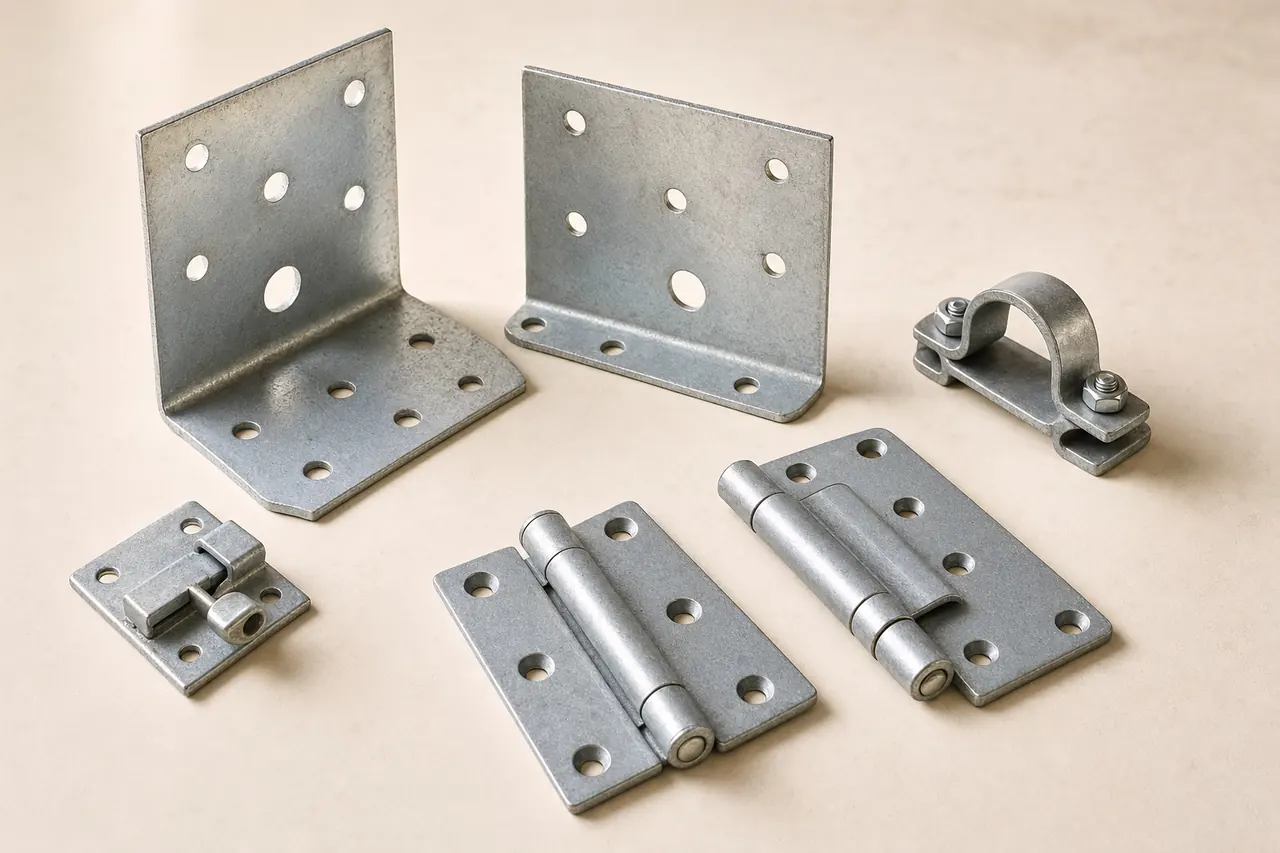
Start with the right material groups.
Site protection and access
Name the temporary surface protection, edge cover or access item and link it to the area that requires guarding during the work.
Hoses, fittings and site connections
Describe the transfer task, connection end sizes and project requirement before comparing products with similar general names.
Signage and handling hardware
Include the visible message type, mounting position and handling load so suppliers can propose the correct format rather than a generic item.
A material price is only part of the package.
One schedule, clearly separated scopes. This is a request outline, not an installation drawing.
Included materials
Include site hardware products used for protection, access, transfer or panel mounting with measurable dimensions and counts. This category does not cover permanent door hardware, structural anchors or finishing fixings.
Connections & interfaces
Separate valves, adapters, hoses, connectors, caps and warning units into named lines linked to the relevant equipment or zone.
Confirm separately
Confirm barriers, guarded access points, temporary works and permit-linked equipment within the project scope before the RFQ is issued.
Six details that make offers clearer.
- Exact product designation
- State the specified site hardware type and reference the approved project line or zone code.
- Required duty or dimension
- Record the required length, width, working pressure, load range or other project-prescribed dimension.
- Connection and interface details
- Include end sizes, thread forms, coupling types or panel mounting details where they affect fitment.
- Material and exposure
- Describe the required body material, coating or resistance condition for the planned location.
- Quantity and pack format
- Write the required number of complete units and state whether spares or separate parts are included.
- Included components and evidence
- List caps, seals, brackets or attachments and request the relevant product information from the supplier.
| Item & description | Quantity |
|---|---|
| SH-01Heavy-duty hose assembly with coupling sizes per zone drawing; surfaces exposed to washdown. | 4 sets |
| SH-02Temporary impact protection covers for finished door openings; color and mounting per site plan. | 30 pcs |
Example quantities only; no live prices or supplier offers. Use your project schedule for final values and ask suppliers to list deviations.
Three checks before you decide.
Complete assembly checked
Confirm the number of complete sets against loose ends, brackets, clips or manual accessories before comparing offers.
Connection sizes confirmed
Check inlet, outlet and coupling dimensions in the quote against the project equipment schedule.
Temporary use and location
Review whether the supplier has stated the item as temporary, reusable or single-position; do not assume the same use for every line.
Details worth clarifying early.
Should site hose lines always include isolation valves?
Not automatically. Include and name a valve line only when the project requires isolation; otherwise confirm that the quoted assembly matches the planned connection.
Can temporary impact protection be reused between zones?
State the intended reuse in the RFQ. Reusability depends on fixing method, exposure and handling, so the supplier should confirm those limits.
Turn your material schedule into a request.
Create a Matravo account to prepare your request. For account or sourcing-flow questions, visit support.